Katana Parts Explained: Blade, Tsuka, Tsuba & Saya Guide
What Are the Parts of a Katana? Complete Guide to Blade, Handle, Guard & ScabbardIntroduction: Understanding Katana Sword Parts
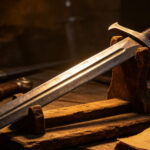
The katana sword is one of the most iconic weapons in history, deeply rooted in Japanese samurai culture. Known for its curved blade, exceptional sharpness, and refined craftsmanship, the katana is more than just a weapon—it is a symbol of honor, discipline, and artistry.
To fully appreciate this legendary weapon, it is essential to understand the katana parts, also commonly referred to as the parts of a sword. Each component of a traditional Japanese katana sword is carefully designed to balance performance, durability, and aesthetics.
This complete guide explores every major part of the katana, including the blade, handle (tsuka), guard (tsuba), and scabbard (saya), along with detailed explanations of their functions and significance.
What Is a Katana?
A katana is a traditional Japanese long sword characterized by:
- A single-edged, curved blade
- A long grip for two-handed use
- Exceptional cutting ability
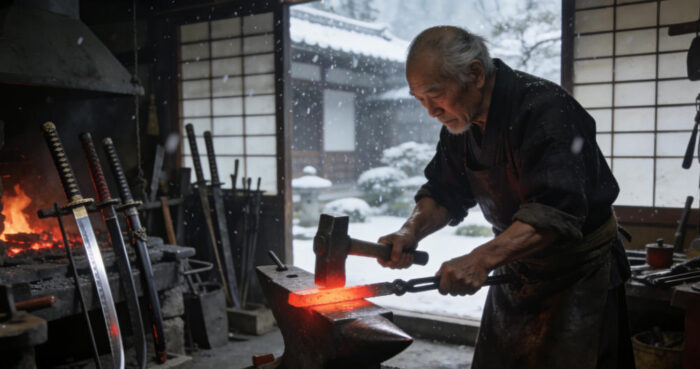
Historically, samurai carried the katana as part of the daisho (paired swords), representing their social status and warrior code. The katana’s design—combining sharpness with flexibility—is achieved through advanced forging techniques like folding steel and differential hardening, producing the iconic hamon (temper line).
Understanding katana sword parts is crucial for collectors, martial artists, and anyone interested in Japanese weapons.
Overview of Katana Parts Structure
A traditional katana can be divided into three primary sections:
1. Blade (Blade / Tōshin)
The core cutting component of the sword.
2. Handle (Tsuka)
Provides grip, control, and balance.
3. Scabbard (Saya)
Protects the blade and allows safe carrying.
Additional key fittings like the tsuba (guard) and habaki (blade collar) connect and stabilize these parts.
Katana Blade Parts Explained (Parts of the Sword Blade)
The katana blade is the most critical and complex part of the sword. It is engineered to deliver powerful cuts while maintaining structural integrity.
Mune (Spine)
The mune is the back edge of the blade. Though not sharp, it provides strength and stability, helping the sword absorb impact during combat.
Ha (Cutting Edge)
The ha is the sharpened edge used for cutting. It is hardened through heat treatment to achieve maximum sharpness and durability.
Shinogi (Ridge Line)
The shinogi separates the blade into two planes, improving rigidity while reducing weight. This design enhances cutting efficiency and maneuverability.
Kissaki (Tip)
The kissaki is the tip of the blade, designed for thrusting and precision strikes. Its shape and polish are often indicators of craftsmanship quality.
Hamon (Temper Line)
The hamon is the visible pattern along the blade, created during differential hardening. It is both a functional feature and an artistic signature of the swordsmith.
Katana Handle Parts (Tsuka Components)
The tsuka (handle) is essential for grip, control, and overall balance.
Tsuka (Handle Core)
Usually made of wood, forming the structural base of the handle.
Samegawa (Ray Skin)
A layer of ray or shark skin wrapped around the handle to improve grip and durability.
Tsuka-Ito (Handle Wrap)
A cord wrap (silk, cotton, or leather) that secures the grip and adds traditional aesthetics.
Mekugi (Peg)
A small bamboo peg that secures the blade’s tang (nakago) inside the handle, ensuring stability during use.
Menuki (Ornaments)
Decorative elements placed under the wrap that also improve grip ergonomics.
Kashira (Pommel)
The end cap of the handle, providing balance and reinforcement.
Tsuba and Habaki: Essential Sword FittingsTsuba (Guard)
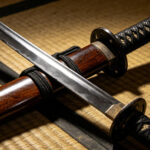
The tsuba is the handguard located between the blade and handle. Its main function is to prevent the hand from slipping onto the blade while also serving as an artistic element.
Habaki (Blade Collar)
The habaki is a metal collar at the base of the blade. It secures the sword inside the scabbard and ensures proper alignment.
Saya (Scabbard) Structure
The saya is the protective sheath of the katana, typically made from lacquered wood.
Key saya components include:
- Koiguchi – Opening of the scabbard
- Kurikata – Knob for attaching cord
- Sageo – Cord used to tie the sword to the belt
- Kojiri – End cap of the scabbard
A well-crafted saya ensures smooth drawing and safe storage while protecting the blade from moisture and damage.
Why Understanding Katana Parts Matters
Learning the parts of a katana sword is important for several reasons:
- Helps evaluate sword quality and craftsmanship
- Improves knowledge of Japanese sword design
- Assists in proper maintenance and care
- Enhances collecting and appraisal skills
For enthusiasts and collectors, understanding katana parts names and functions is essential when choosing a high-quality sword.
Conclusion: The Art and Engineering of the Katana
The katana sword is a masterpiece of engineering and cultural heritage. Every component—from the razor-sharp ha to the intricately crafted tsuba, from the ergonomic tsuka to the protective saya—is designed with purpose and precision.
By understanding the parts of a sword, especially the detailed structure of a katana, you gain deeper insight into not only how the weapon functions but also the philosophy and artistry behind it.
Whether you are a collector, martial artist, or history enthusiast, mastering the knowledge of katana sword parts is the first step toward truly appreciating this legendary weapon.