Samurai History & Katana: From the Edo Era to Modern Collecting
Samurai History & Katana: From the Edo Era to Modern Collecting
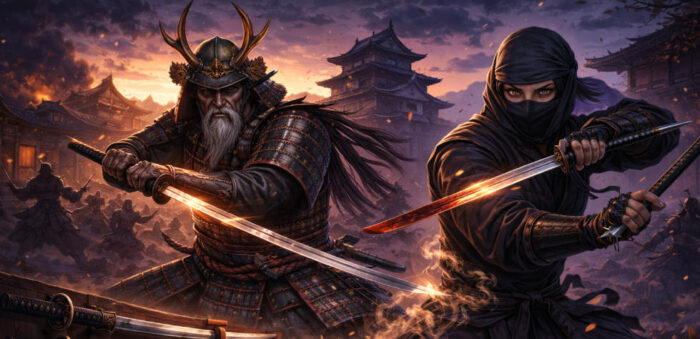
The story of samurai history and the katana sword is deeply woven into the fabric of Japanese culture. From feudal battlefields to modern collectors’ showcases, the katana remains one of the most recognizable and respected weapons in the world. More than a blade, it represents Bushido, honor, discipline, and the warrior spirit.
This guide explores the evolution of the samurai, the craftsmanship behind authentic Japanese swords, the importance of the Edo era, and how katana collecting has become a global passion.
The Origins of Samurai History and Bushido
The samurai emerged as a powerful warrior class during Japan’s early feudal periods, eventually dominating military and political life. Over centuries, their identity became inseparable from Bushido — the way of the warrior. This moral code emphasized:
Loyalty to one’s lord
Personal honor and integrity
Courage in battle
Self-discipline and respect
The katana was not simply a weapon of war. It was believed to house the soul of the samurai, symbolizing moral responsibility and unwavering dedication.
As Japan transitioned into the peaceful Edo era (1603–1868), the role of the samurai evolved. Warfare declined, and samurai became administrators, scholars, and cultural leaders. The katana transformed from a battlefield necessity into a refined symbol of status and identity.
What Is a Katana? Understanding Japanese Sword Craftsmanship
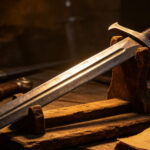
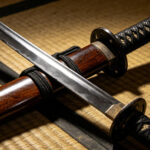
The katana sword is distinguished by its curved, single-edged blade, long two-handed grip, and exceptional cutting efficiency. Its design reflects centuries of refinement in Japanese sword making techniques.
Authentic katana craftsmanship involves:
1. Traditional Steel Forging
Swordsmiths use specialized steel and repeatedly fold and hammer the blade. This removes impurities while creating layered grain patterns often admired by collectors.
2. Differential Hardening
The blade undergoes a precise clay-tempering and quenching process. This produces a hardened cutting edge and a flexible spine, resulting in durability and sharpness. The visible temper line, known as the hamon, is one of the most prized features in authentic Japanese swords.
3. Hand Polishing and Mounting
Expert polishers refine the blade surface to reveal its structure and enhance cutting performance. The sword is then fitted with traditional components including the guard (tsuba), handle wrapping, and scabbard.
These meticulous steps explain why hand-forged samurai swords are considered both functional weapons and works of art.
The Edo Era: Cultural Refinement of the Katana
During the Edo era, Japan experienced relative peace under centralized rule. Without constant warfare, swordsmanship evolved into disciplined martial arts such as Iaido and Kenjutsu.
The katana became:
A symbol of social class
A ceremonial object
A treasured family heirloom
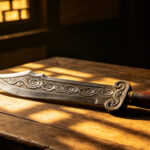
Samurai sword aesthetics also became more elaborate. Decorative fittings, intricate engravings, and artistic mountings flourished during this time. Collecting and preserving swords became part of noble culture — a tradition that continues today in modern katana collecting communities.
Modern Katana Collecting: A Global Passion
Although the samurai class was abolished in the late 19th century, the fascination with samurai culture never disappeared. Today, modern katana collecting attracts:
Martial arts practitioners
Japanese history enthusiasts
Anime and film fans
Investors seeking rare blades
Collectors of battle-ready swords
Search trends show growing interest in terms such as:
authentic Japanese katana
hand forged samurai sword
battle ready katana for sale
samurai sword collecting guide
real katana vs replica
Collectors often look for high-carbon steel blades, traditional clay-tempered edges, and historically accurate fittings. Some focus on display pieces, while others prioritize functionality for martial arts training.
Understanding blade materials, balance, weight distribution, and craftsmanship is essential when entering the world of samurai sword collecting.
Bushido in the Modern World
While the samurai no longer exist as a social class, Bushido philosophy continues to inspire modern life. Concepts such as honor, resilience, loyalty, and self-improvement resonate far beyond Japan.
In martial arts dojos around the world, practitioners train not only with swords but with the mindset rooted in samurai history. The katana remains a powerful symbol of discipline and mastery.
Why the Katana Remains Timeless
Few weapons carry the cultural weight of the katana. Its enduring appeal lies in:
Legendary craftsmanship
Deep historical roots
Symbolic spiritual meaning
Elegant yet deadly design
Strong presence in global pop culture
From the feudal battlefields of ancient Japan to contemporary display collections, the katana continues to embody the spirit of the samurai.
Whether you are researching samurai history, studying Bushido philosophy, or beginning your journey into modern katana collecting, understanding the blade’s legacy allows you to appreciate why the samurai sword remains one of the most respected weapons in world history.
Hand Forged Blue Japanese Samurai Katana Sword Folded Steel Blade Iron Tsuba