Samurai Legacy: Rise, Fall & Lasting Influence of Japan
Samurai Legacy: Why Japan’s Medieval Warriors Disappeared — And Why They Still Matter Today
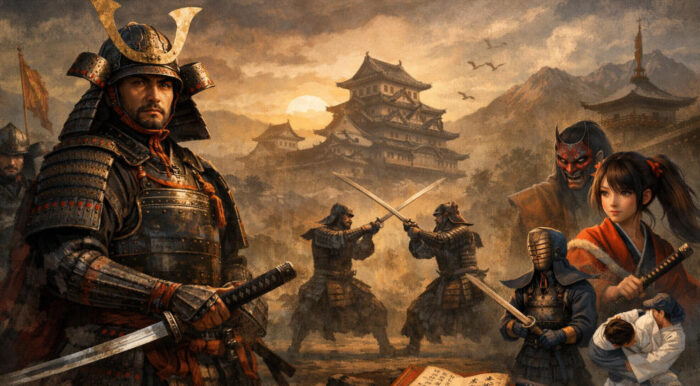
The samurai legacy remains one of the most compelling chapters in world history. Although the samurai warriors of feudal Japan officially disappeared as a social class in the late 19th century, their influence continues to shape Japanese culture, martial arts, leadership philosophy, and global pop culture.
From the rise of the Japanese warrior class to the fall of the feudal system during the Meiji Restoration, the story of the samurai is not simply about disappearance — it is about transformation and endurance.
The Rise of the Samurai: Japan’s Elite Warrior Class
The samurai emerged during Japan’s Heian period, gradually evolving into a powerful military aristocracy. Known as bushi, these warriors served regional lords (daimyo) and later the shogunate, becoming the backbone of Japan’s medieval political and military system.
Samurai were not merely soldiers. They were:
Masters of katana swordsmanship
Skilled in archery (kyudo) and mounted combat
Educated administrators and strategists
Practitioners of Zen discipline and cultural arts
Their authority was deeply tied to the Bushido code, often translated as “the way of the warrior.” This ethical framework emphasized:
Honor
Loyalty
Courage
Self-discipline
Duty above life itself
The image of the samurai as a disciplined, honorable warrior became central to Japanese national identity — a symbol that continues to resonate globally.
Why Did the Samurai Disappear?
The fall of the samurai was not sudden. It resulted from centuries of structural change in politics, economics, and warfare.
1. Long Periods of Peace
Under the Tokugawa Shogunate, Japan experienced more than 250 years of relative internal peace. Without constant warfare, the need for a full-time warrior class diminished.
Many samurai transitioned from battlefield fighters to bureaucrats and government officials. Over time, their military function weakened, and their economic stability became strained.
2. Economic and Social Shifts
As commerce expanded during the Edo period, the merchant class grew wealthier. Ironically, many samurai — bound by strict social codes and fixed stipends — struggled financially.
The rigid feudal class system began to feel outdated in a society moving toward economic modernization. The traditional samurai social structure gradually lost practical relevance.
3. The Meiji Restoration and Modernization
The decisive turning point came in 1868 with the Meiji Restoration, a period of rapid modernization and Westernization.
Key reforms included:
Abolishing the feudal domain system
Ending hereditary samurai privileges
Creating a national conscription army
Prohibiting the public carrying of swords
The famous edict banning sword-wearing symbolized the end of the samurai as a distinct class. The katana, once a badge of honor and authority, became ceremonial rather than political.
This transformation marked the legal end of the samurai — but not the end of their legacy.
The Bushido Code: A Warrior Spirit That Survived
Although the samurai class disappeared, Bushido philosophy endured.
The ideals of honor, loyalty, perseverance, and moral integrity were absorbed into modern Japanese institutions. Over time, these values influenced:
Educational systems
Military traditions
Corporate leadership culture
Martial arts discipline
Today, the concept of samurai spirit is frequently associated with mental toughness, resilience, and personal responsibility — traits admired worldwide.
Search interest around terms like samurai code meaning, Bushido principles explained, and samurai honor culture continues to grow, showing how deeply rooted this legacy remains.
Samurai in Modern Culture and Global Media
The global fascination with samurai culture has only intensified in the digital age.
Martial Arts
Disciplines such as:
Kendo
Iaido
Kenjutsu
Kyudo
preserve traditional techniques and philosophy. Practitioners worldwide study these arts to connect with authentic Japanese warrior traditions.
Film, Anime, and Gaming
Samurai themes dominate international media, appearing in:
Historical epics
Anime series
Video games
Fantasy reinterpretations
From realistic portrayals of feudal Japan to stylized interpretations of the katana-wielding warrior, the samurai remains one of the most recognizable archetypes in storytelling.
High-volume search keywords like samurai sword history, real samurai armor, authentic katana craftsmanship, and samurai warrior facts demonstrate the continued global interest.
The End of a Class — The Birth of a Legend
The samurai did not vanish because they were defeated in a final battle. They faded because Japan transformed.
Industrialization, centralized government, and modern military structures replaced the need for a hereditary warrior elite. Yet in that transformation, the samurai evolved from political powerholders into cultural icons.
Their disappearance as a class allowed their image to become timeless.
Why the Samurai Legacy Still Matters Today
The samurai symbolize more than warfare. They represent:
Discipline in chaos
Loyalty in uncertainty
Honor in leadership
Mastery through lifelong practice
In business leadership seminars, martial arts dojos, historical scholarship, and pop culture conventions, the samurai legacy continues to inspire.
The medieval warriors of Japan may no longer walk the battlefield, but their spirit persists — in philosophy, in craftsmanship, in martial arts, and in the enduring global admiration for the legendary Japanese samurai.
Hand Forged Japanese Samurai Katana Sword High Hardness High Toughness Tool Steel Clay Tempered